Bonjour, je suis
Antoine Weill--Duflos
Responsable Technologie et Applications @ Robotique Haply
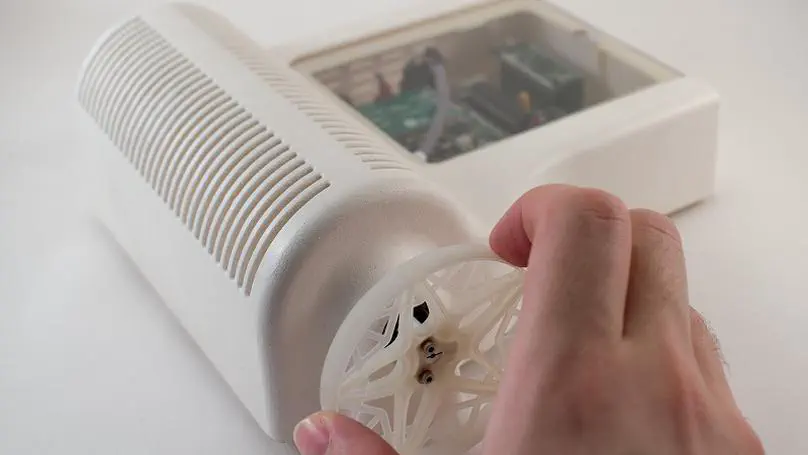
Je dirige la technologie et les applications chez Haply Robotics à Montréal, où nous concevons des robots haptiques qui permettent de ressentir et manipuler physiquement le monde numérique. Nos produits sont utilisés par plus de 150 clients dont des entreprises du Fortune 500, nous avons remporté les CES Innovation Awards plusieurs années de suite, et nous travaillons avec certains des plus grands noms de la tech et de la robotique pour faire avancer l’IA physique.
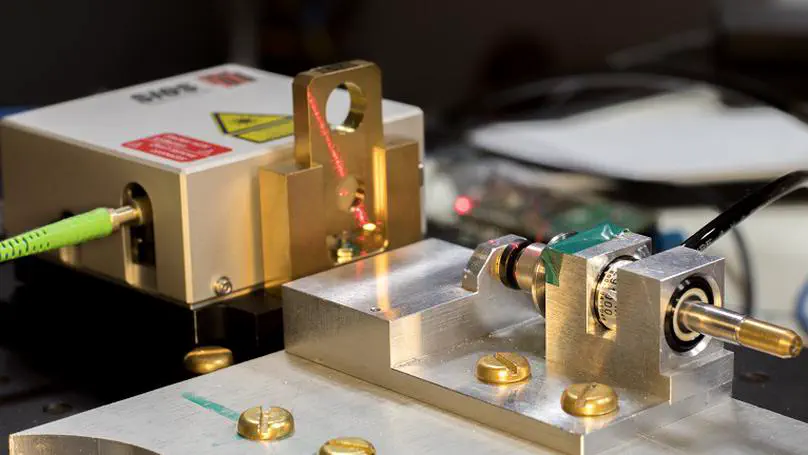
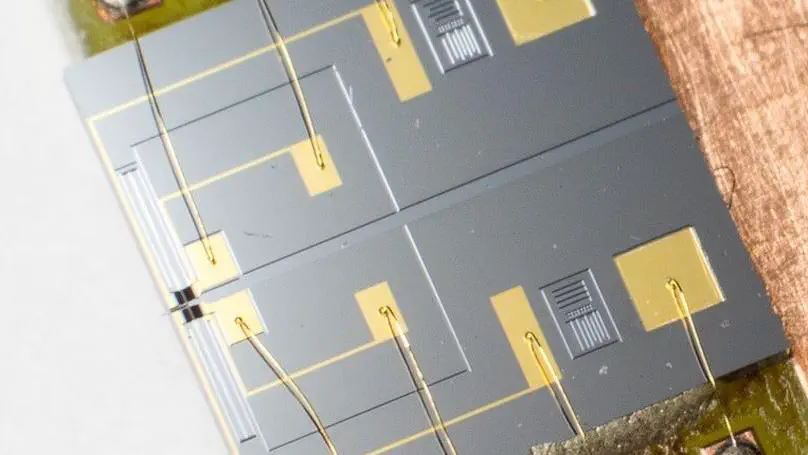
Je suis titulaire d’un doctorat de Sorbonne Université (Paris) et d’un diplôme d’ingénieur des Arts et Métiers ParisTech. Mes recherches m’ont mené de la téléopération micro et nanoscopique à la conception de dispositifs haptiques, les études de perception et l’interaction homme-robot, ce qui m’a finalement amené au Canada pour un postdoctorat au Shared Reality Lab de McGill. En chemin, j’ai co-signé quelques brevets, publié pas mal d’articles, et j’enseigne l’haptique, l’ingénierie et les interactions homme-machine dans quelques universités canadiennes.
En dehors du travail, je gère un homelab auto-hébergé dont je parle sur le blog, je bricole de la domotique et des projets open-source, et je construis parfois des choses qui n’ont rien à voir avec l’haptique.

Centres d’intérêt
- Perception et dispositifs haptiques
- IA physique et téléopération
- Infrastructure auto-hébergée
- Matériel open source
Formation
-
Doctorat en Robotique 2017
Sorbonne Université (Paris) -
Master en Robotique et Systèmes avancés 2013
Sorbonne Université (Paris) -
Diplôme d'ingénieur 2013
Arts et Métiers ParisTech (Lille & Paris)
Compétences
Rendu tactile, perception, conception de dispositifs
Hardware, contrôle, firmware embarqué
C/C++, Python, Rust, Java, web
Solidworks, Catia, usinage, impression 3D
Docker, GitOps, auto-hébergement, réseau