Antoine Weill--Duflos
Making the digital tangible.
I build interfaces you can touch, robots you can feel, and ideas you can hold.
Head of Technology and Applications / Haply Robotics

From research to the workbench.
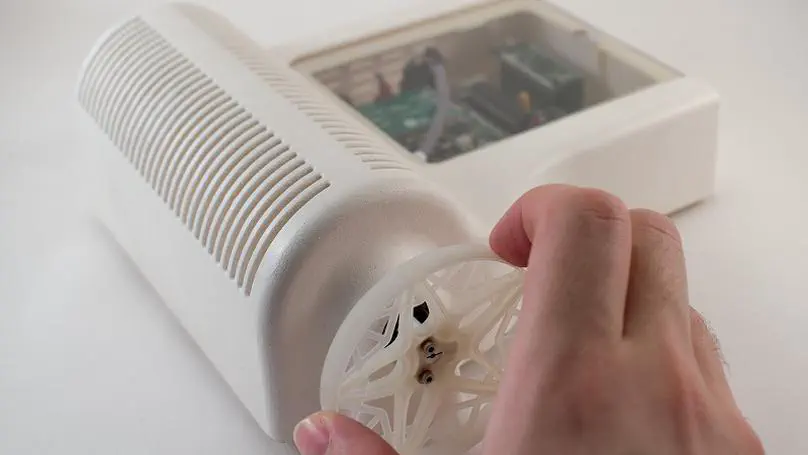
I lead technology and applications at Haply Robotics in Montreal, where we build haptic robots that let people physically feel and interact with the digital world. Our products are used by 150+ customers including Fortune 500s, we have won CES Innovation Awards multiple years running, and we work with some of the biggest names in tech and robotics to push physical AI forward.
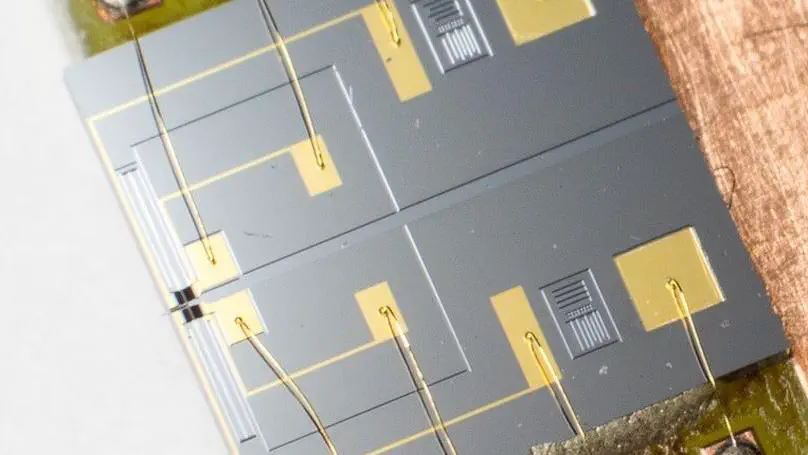
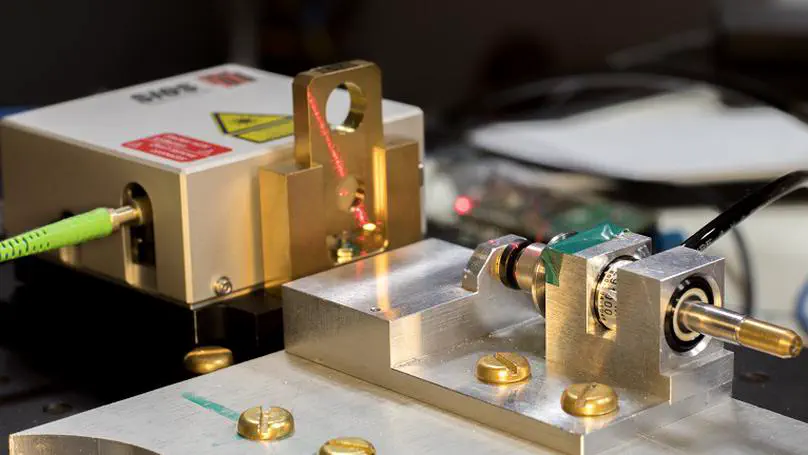
I hold a PhD from Sorbonne Université (Paris) and an engineering degree from Arts et Métiers ParisTech. My research took me from micro and nano teleoperation to haptic device design, perception studies, and human-robot interaction, which eventually brought me to Canada for a postdoc at McGill’s Shared Reality Lab. Along the way, I co-authored a few patents, published a bunch of papers, and I teach haptics, engineering, and human-machine interaction at a few Canadian universities.
Outside of work, I run a self-hosted homelab that I blog about, tinker with home automation and open-source projects, and occasionally build things that have nothing to do with haptics.
Areas of exploration
- Haptic perception & devices
- Physical AI & teleoperation
- Self-hosted infrastructure
- Open hardware
Education
- PhD in RoboticsSorbonne Université (Paris) · 2017
- MSc in Robotics and Advanced SystemsSorbonne Université (Paris) · 2013
- Engineering degreeArts et Métiers ParisTech (Lille & Paris) · 2013
Projects
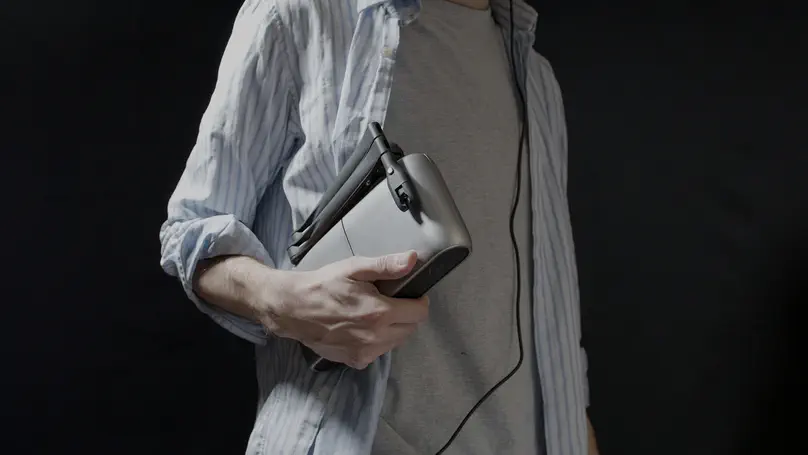
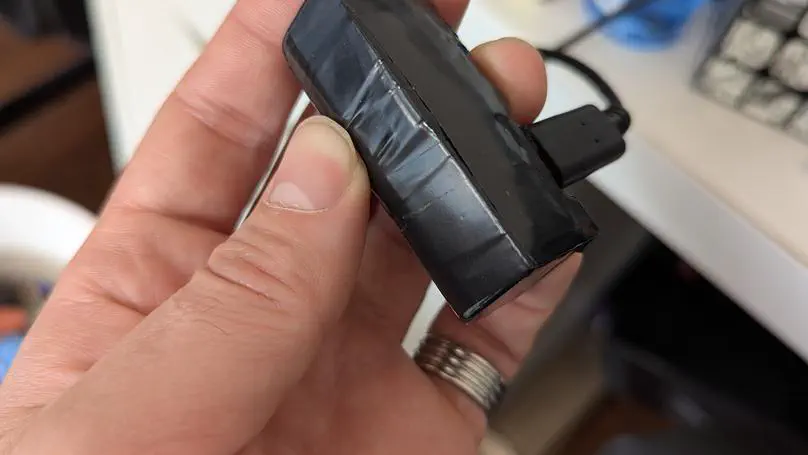
Devices, experiments and open-source builds.
Skills
Tactile rendering, perception, device design
Hardware, control systems, embedded firmware
C/C++, Python, Rust, Java, web
Solidworks, Catia, machining, 3D printing
Docker, GitOps, self-hosting, networking
From the workbench
Build notes, discoveries and things worth sharing.